EMC precompliance testing can help electronics manufacturers identify design weaknesses before they become expensive compliance failures.
A product can function perfectly in development and still fail formal EMC testing. Functional testing confirms the product does what it is designed to do, while EMC testing examines how it behaves in the presence of electromagnetic disturbances and whether it generates unacceptable interference.
That makes timing important.
Precompliance testing gives engineers an opportunity to find and investigate EMC issues while the design can still be changed.
Common problems include excessive emissions from switching power supplies, ineffective cable shielding, grounding issues, enclosure effects and unexpected behaviour during ESD or immunity testing. Firmware can also influence EMC performance through processor activity, clocking, communication and switching patterns.
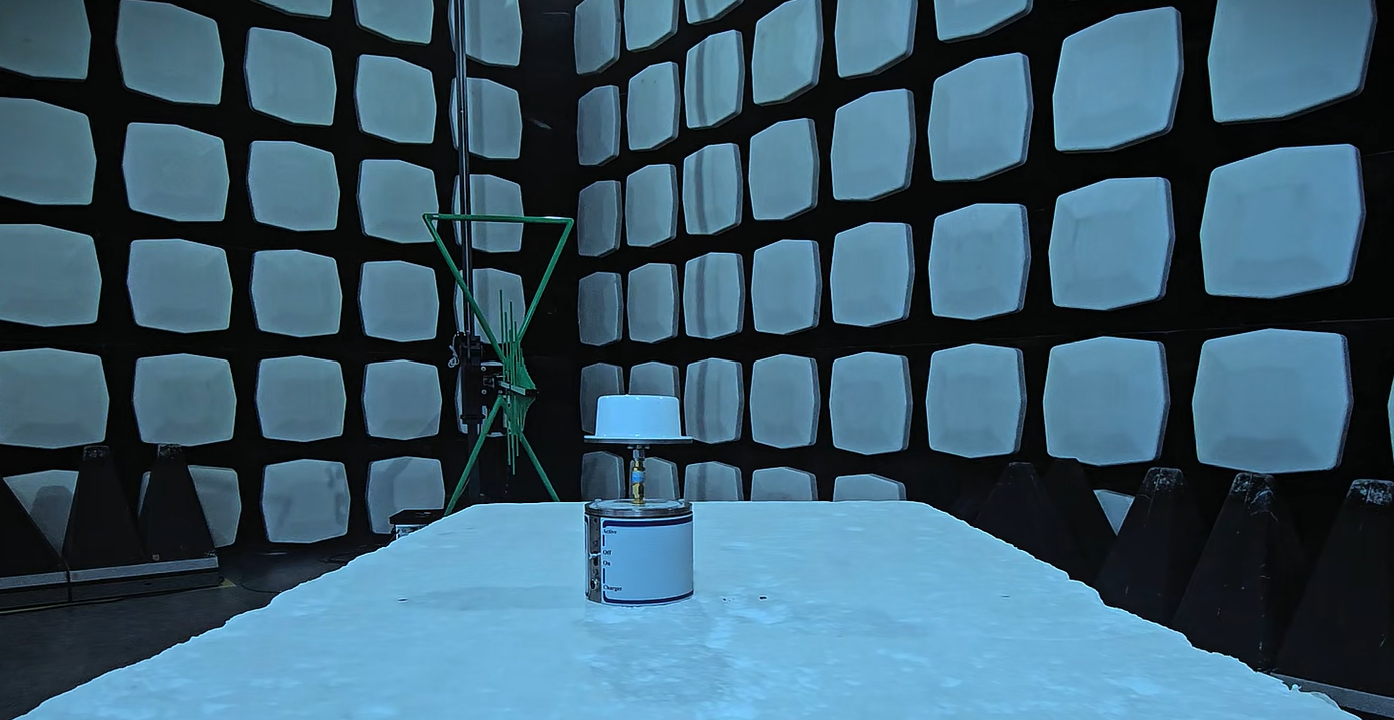
A practical precompliance investigation can include conducted and radiated emissions, ESD, immunity, power behaviour and the effects of cables, connectors, shielding and different operating modes.
The value is not simply knowing whether a product passes or fails. It is understanding what is causing the behaviour and having the opportunity to correct it before formal testing.
Test earlier, change more easily
The most useful time to begin precompliance testing is when the product is representative of the final design but before critical decisions are frozen.
A filter can still be changed. A grounding strategy can still be reviewed. Cable routing, shielding, enclosure design and firmware can still be investigated.
Once the product reaches the formal test laboratory, those options may be considerably more limited.
The question for development teams should therefore be less about whether the product is ready for the test house and more about whether there is enough evidence that it is ready.
See EMC precompliance testing in practice
EKTOS Testing and Reliability Services open its Struer lab for its second Open Lab Session about Pre-Compliance Testing on September 3, from 15:00 to 17:00.
This hands-on session will demonstrate real EMC and EMI test setups, common failure modes and how measurements can help engineers make better decisions before formal compliance testing.